Construction Delivery Methods Training
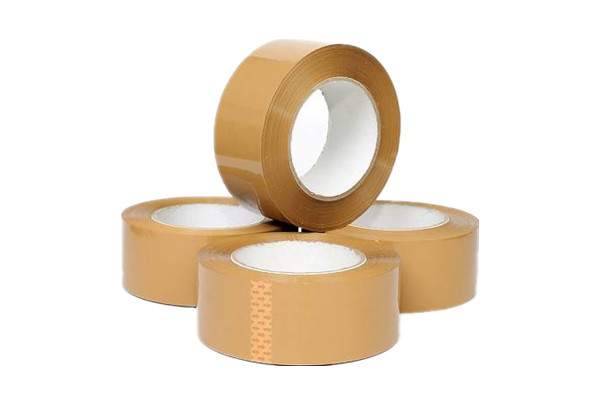
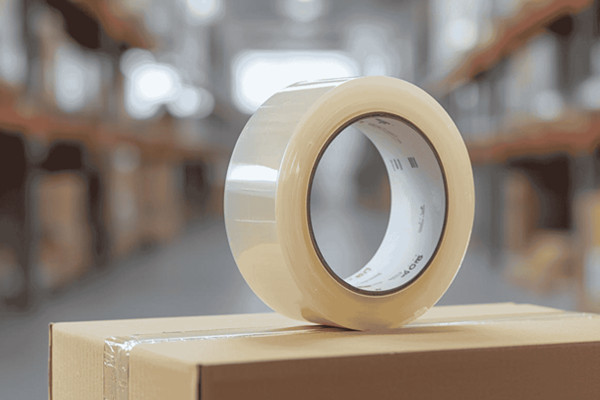
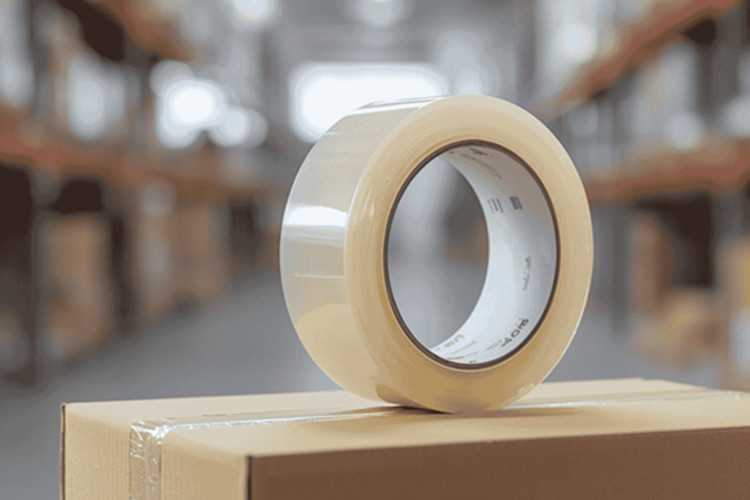
Clear packing tape (also known as carton sealing tape or packaging tape) is a type of pressure-sensitive tape primarily used to seal cardboard boxes and packages for shipping, moving, and storage. Its transparency makes it a popular choice, as it ensures that shipping labels, barcodes, and the contents of the box remain clearly visible.
Below is a detailed overview of clear packing tape, covering its composition, materials, and uses:
1. Composition and Materials
Clear packing tape typically consists of two main components:
1. Backing: The most common backing material is BOPP (Biaxially Oriented Polypropylene) film. BOPP is a durable, lightweight, and moisture-resistant plastic that gives the tape its characteristic transparency and tensile strength. While some products may use polyester or PVC, BOPP is the industry standard for clear packing tape.
2. Adhesive: The adhesive is applied to one side of the BOPP film and generally falls into two categories:
1) Acrylic adhesive: The most common choice for clear packing tape. Available in water-based or solvent-based formulations, it offers strong, long-lasting adhesion and resists yellowing or degradation over time, making it ideal for long-term storage.
2) Hot-melt adhesive (rubber-based): Features extremely high initial tack (or "quick stick") and is usually thicker than acrylic tape. It is excellent for rapid sealing or use in colder environments, though it may yellow slightly over time.
2. Key Characteristics
1) Thickness: Tape thickness is typically measured in "mils" (thousandths of an inch). Standard clear packing tape usually ranges from 1.6 to 2.0 mils in thickness, while "heavy-duty" versions range from 2.5 to 3.0 mils or higher, allowing them to secure heavier items without breaking. 2) Tensile Strength and Ductility: High-quality BOPP tape possesses a certain degree of ductility (elongation) before breaking, allowing it to absorb the impact forces generated by the shifting of contents inside the box during transport.
3) Temperature Resistance: Acrylic tapes generally perform well across a wide temperature range; additionally, there are specialized formulations designed for cold storage or high-temperature shipping environments.
3. Common Uses
1) Shipping and Mailing: Used to secure corrugated cardboard boxes; suitable for postal services and freight logistics.
2) Moving and Storage: Used to seal moving boxes or for long-term storage of items in attics, garages, and similar locations.
3) Light-Duty Repairs: Used for temporary repairs of torn paper, reinforcing envelopes, or bundling lightweight items.
4) Retail and E-commerce: Provides a neat, professional seal without obscuring brand logos or labels.
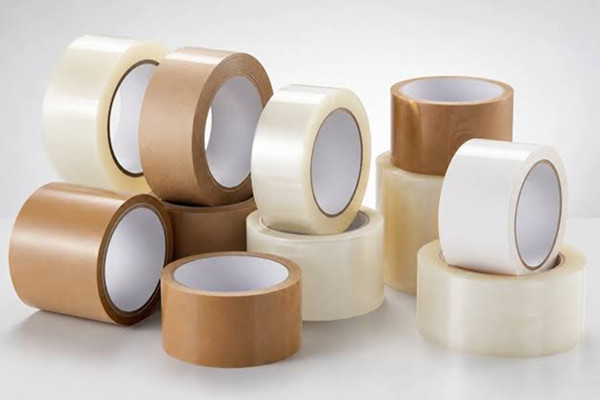
4. Common Types
1) Heavy-Duty Clear Tape: Features greater thickness (e.g., 2.7 mils) and is designed to seal heavy, large, or high-value packages, offering enhanced security.
2) Low-Noise Tape: Specially designed to operate with minimal noise when pulled from the dispenser, eliminating the harsh "screeching" sound common with standard packing tapes.
3) Waterproof Tape: Uses a special moisture-resistant adhesive to prevent the seal from failing in humid or rainy shipping environments.
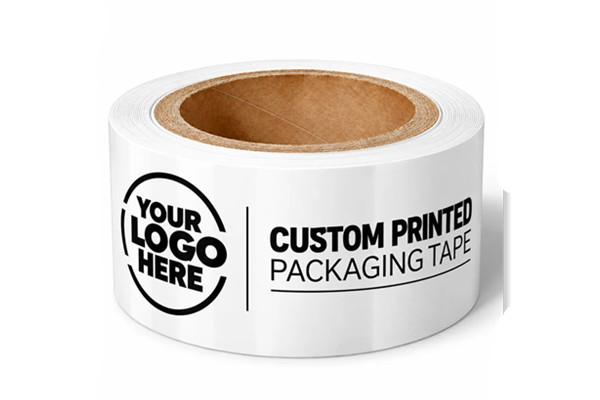
4) Custom Printed Tape: Features company logos, brand information, or tamper-evident warnings printed on the clear tape, helping to improve security and brand recognition.
Buying Tip:
If you are sealing standard lightweight boxes (weighing less than 15 lbs / approx. 6.8 kg), a standard clear acrylic tape with a thickness of 1.6–2.0 mils is perfectly adequate. For heavy cartons (exceeding 40 lbs/approx. 18 kg), boxes containing shifting contents, or items requiring long-term storage, it is recommended to use heavy-duty tape with a thickness of at least 2.5 mils and a strong acrylic or hot-melt adhesive to ensure the carton remains securely sealed during transit.