Construction Delivery Methods Training
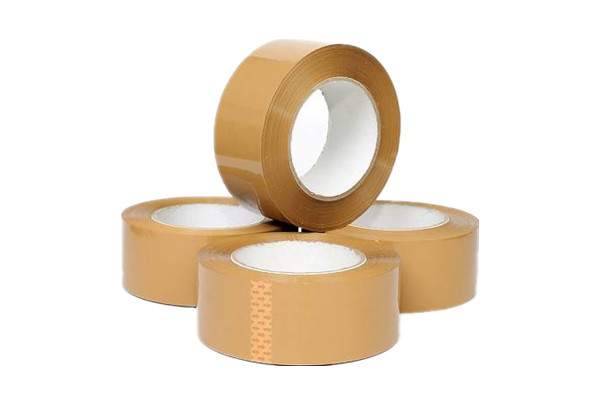
Whether you are preparing for a major move, shipping heavy e-commerce orders, or securing industrial cargo, using the right packing tape is crucial for preventing carton damage and protecting your items. Heavy-duty packing tape is specifically designed to withstand greater weight, stress, and environmental fluctuations than standard office tape or lightweight shipping tape.
This comprehensive guide covers everything you need to know about selecting and using heavy-duty packing tape, as well as how to maximize its performance.
1. Types of Heavy-Duty Packing Tape
Not all heavy duty tapes are the same. A tape's strength depends on its backing material and adhesive composition.
1) Hot-Melt Tape: Made with a synthetic rubber adhesive, it offers excellent initial tack and performs exceptionally well in low-temperature environments. It is widely considered a top choice for sealing heavy-duty shipping cartons on a daily basis.
2) Acrylic Tape: Features a strong adhesive formula that resists aging, UV exposure, and temperature fluctuations. Although it takes slightly longer to achieve a full bond compared to hot-melt tape, it provides a highly durable, long-lasting seal.
3) Natural Rubber Tape: Known for its extremely high initial tack, making it ideal for rapid sealing.
However, it is more susceptible to oxidation and extreme temperature changes compared to acrylic or synthetic hot-melt tapes.
4) Reinforced Filament Tape: This heavy-duty strapping tape is embedded with fiberglass filaments, offering extremely high tensile strength (often exceeding 100 lbs/inch). It is an ideal choice for bundling, palletizing, and securing extremely heavy or irregularly shaped items.
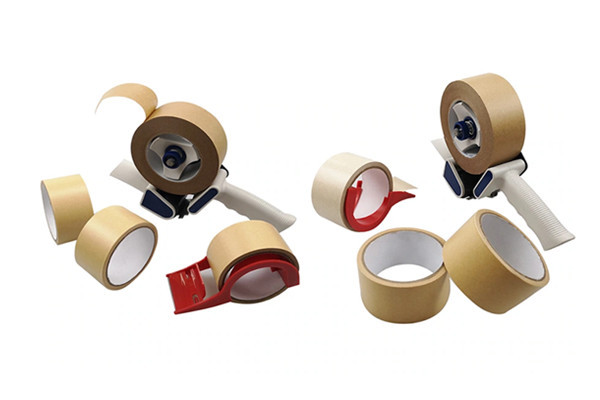
5) Water-Activated Tape (WAT): Made from kraft paper and a starch-based adhesive, it forms a chemical bond with the carton's fibers upon contact with water. Reinforced tape features a fiberglass mesh, offering exceptional strength and tamper-evident properties; it is ideal for heavy-duty boxes weighing over 30–50 lbs (approx. 13.6–22.7 kg).
2. Key Specifications
When selecting heavy-duty packaging tape, consider the following key specifications:
1) Thickness (mils or microns): Standard packaging tape typically ranges from 1.8 to 2.0 mils in thickness. True heavy duty tape measures 2.5 to 3.1 mils (or 40 to 50 microns) or greater, offering superior puncture and tear resistance.
2) Tensile strength: This refers to the amount of pulling force the tape can withstand before breaking. For heavy-duty packaging needs, choose a tape with a tensile strength exceeding 20 lbs (approx. 9 kg); reinforced tapes often far exceed this figure.
3) Width: While 1.88 inches is the standard width, heavy duty packaging often benefits from 2- to 3-inch-wide tape to cover a larger surface area and effectively reinforce box seams.
4) Temperature resistance: If boxes will be stored in garages, warehouses, or transport trucks, ensure the tape is resistant to temperature extremes to prevent the adhesive from freezing or melting.
3. Best Use Cases for Different Tape Types
1) Residential moving: Hot-melt tape or heavy-duty acrylic tape is ideal for sealing boxes containing books, tools, or kitchenware.
2) E-commerce and retail shipping: Clear heavy-duty acrylic tape offers a neat, professional appearance while securely sealing standard-weight packages. 3) Industry and Freight: For mechanical parts, hardware, and cartons weighing over 50 lbs (approx. 22.7 kg), reinforced filament tape or fiberglass-reinforced water-activated kraft paper tape are the best choices.
4) Cold Storage/Low-Temperature Environments: Under freezing conditions, hot-melt adhesive tape is the most reliable option for maintaining adhesion.
4. How to Properly Use Heavy-Duty Packaging Tape
Even the stickiest tape can fail if used incorrectly. Follow these best practices:
1) Prepare the Surface: Ensure the carton surface is clean, dry, and free of dust or moisture, as impurities can hinder effective adhesion.
2) Use the "H-Sealing Method": This is the gold standard for sealing heavy-duty cartons. First, apply a strip of tape along the center seam where the carton flaps meet. Then, apply shorter strips perpendicular to the center seam at both the top and bottom edges, forming an "H" shape.
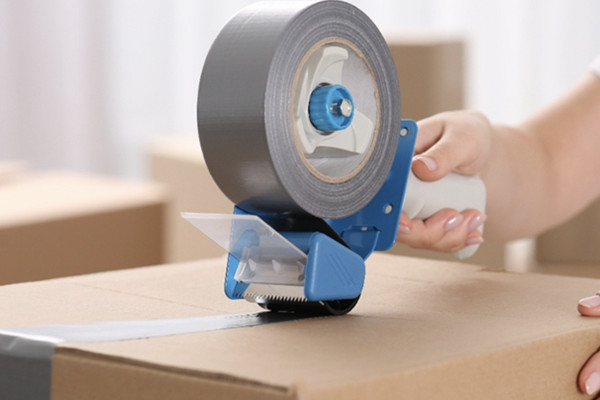
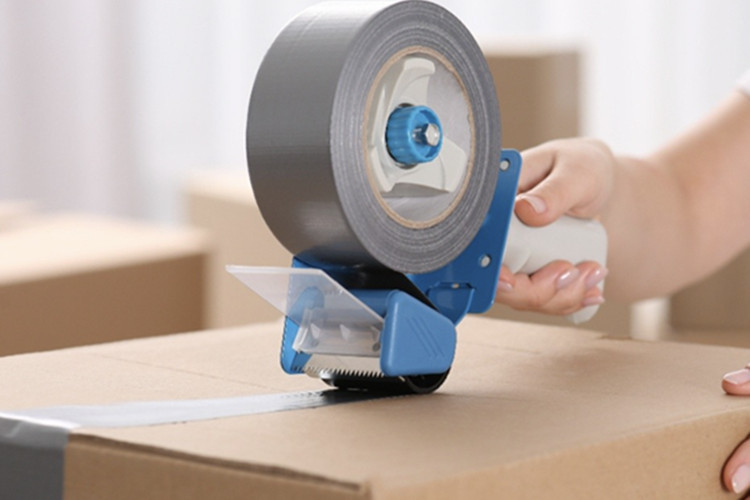
3) Apply Even Pressure: Use a high-quality handheld tape dispenser to ensure consistent tension and a smooth application, avoiding wrinkles or air bubbles.
4) Reinforce the Bottom: Always reinforce the bottom of the carton using the H-sealing method before packing, as the bottom bears the most weight.
5. Top Recommended Brands (2025–2026)
* Duck Brand: Their HD Clear heavy-duty packing tape is a top choice for bulk purchasing during whole-house moves, offering extra-long rolls and reliable adhesion.
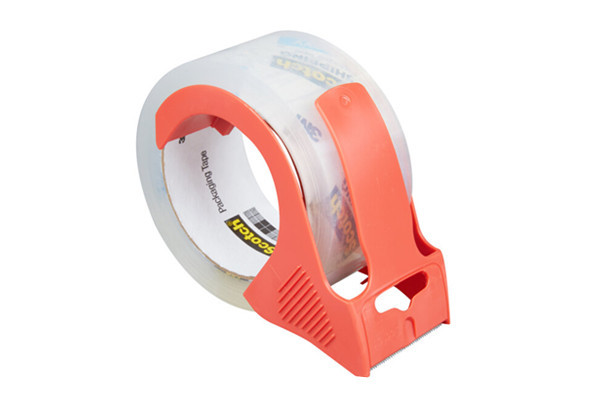
* 3M / Scotch: Renowned for superior adhesive technology, their heavy-duty shipping tape offers exceptional stickiness, securely sealing large or heavy cartons and preventing them from bursting open during transit. * Tape Logic / Packstrong: Excellent choices for warehouse use; they offer thicker (2.6 to 3.1 mil) acrylic and hot-melt tapes and support bulk purchasing.
* STA Tapes / PPM Industries: Leaders in industrial-grade filament-reinforced tapes; their products feature exceptional tensile strength, making them suitable for demanding bundling and reinforcement tasks.
6. Common Mistakes to Avoid
1) Using the wrong tape: Never substitute heavy duty packaging tape with masking tape, standard clear tape (like office stationery tape), or general-purpose office tape, as these lack the necessary tensile strength.
2) Insufficient tape usage: For heavy cartons, applying a single strip of tape down the center is far from adequate. Always use the "H-tape" method to reinforce the edges.
3) Applying tape over dust or labels: Applying tape to dusty surfaces or directly over printed shipping labels significantly reduces adhesion, which can cause the seal to fail during transit.
7. Storage and Usage Recommendations
To maintain the optimal performance of heavy-duty packaging tape:
1) Store tape rolls in a cool, dry place, away from direct sunlight and extreme temperature fluctuations.
2) Keep the tape in its original packaging or store it in a sealed container to prevent dust accumulation on the adhesive surface.
3) Use within 12 to 18 months of purchase to ensure optimal adhesion, as the performance of natural rubber and certain hot-melt adhesives may degrade over time.
Conclusion
Selecting and correctly using high-quality heavy-duty packaging tape may seem like a small detail, but it effectively prevents costly cargo damage, lost items, and shipping delays. Choose the tape best suited to your specific needs—whether that involves low-temperature resistance, superior tensile strength, or tamper-evident security features. Please feel free to let us know if you need recommendations for specific scenarios, such as international shipping, cold storage, or eco-friendly packaging solutions.