Construction Delivery Methods Training
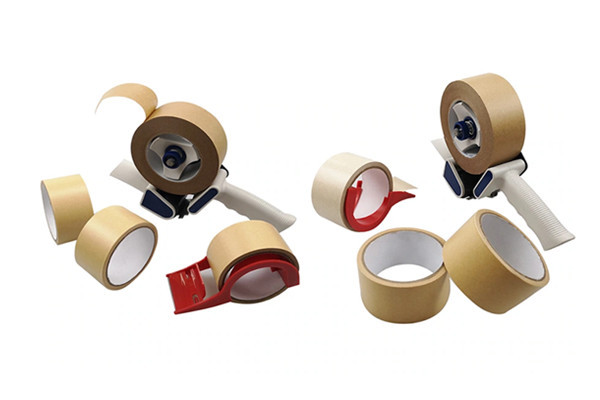
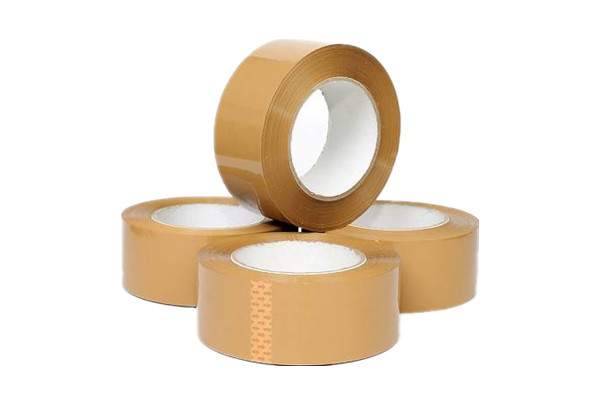
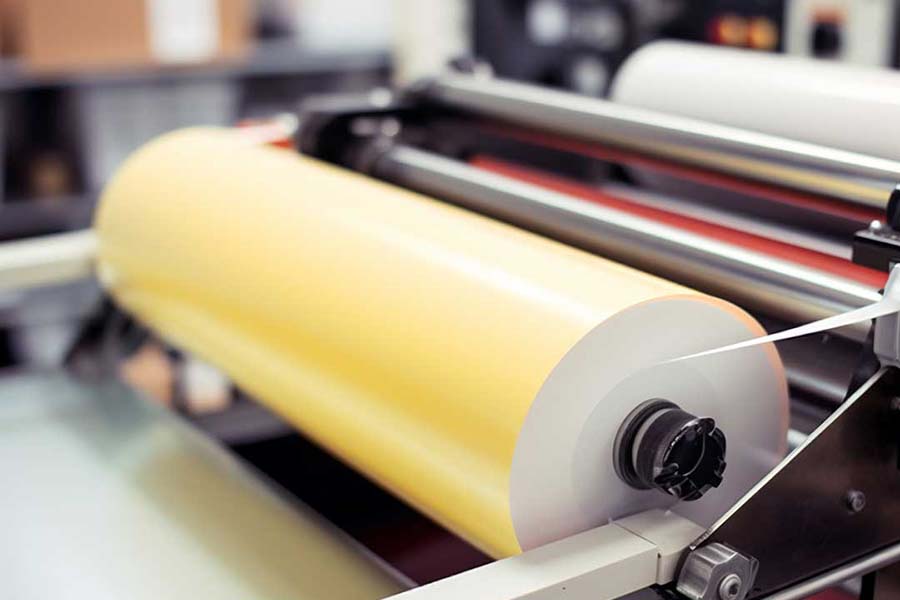
Paper packaging tape (also known as kraft paper tape, water-activated tape, or flatback paper tape) is a packaging material made with a kraft paper backing, distinguishing it from traditional plastic tapes like BOPP or PVC. It is widely used for sealing boxes, bundling packages, and reinforcing carton seams.
There are two main types of paper packaging tape, each catering to different needs:
1. Water-Activated Tape (WAT) / Gummed Paper Tape
This is the most common and strongest type of paper tape. It features a starch-based or synthetic adhesive that is activated upon contact with water.
1) How it works: When water is applied to the adhesive side, the adhesive activates, penetrates the surface, and chemically bonds with the cardboard fibers. This effectively makes the tape an integral part of the carton itself.
2) Reinforced options: For heavy-duty packaging needs, this tape often incorporates embedded fiberglass or polyester mesh to provide exceptional tensile strength and prevent carton bursting.
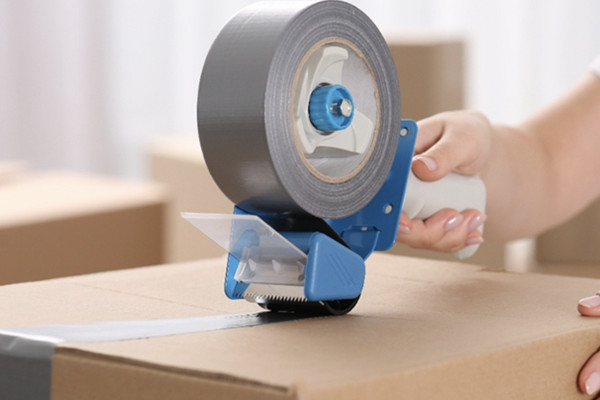
3) Application: It typically requires a specialized manual or automatic water-activated tape dispenser to moisten the adhesive surface before application.
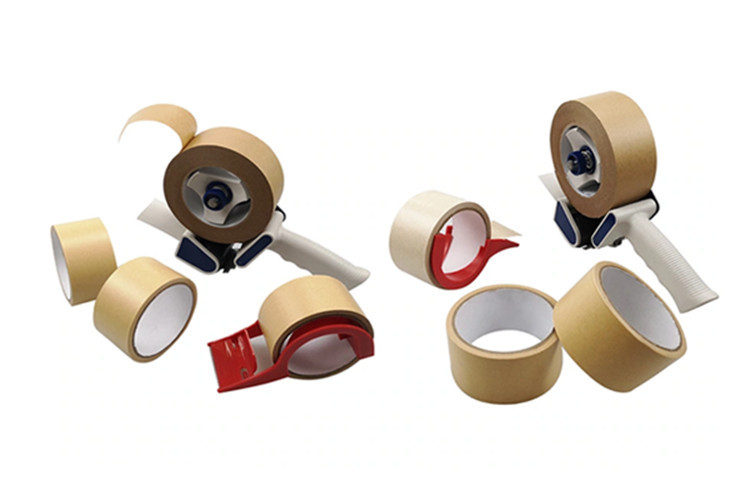
2. Pressure-Sensitive Paper Tape
This tape features a self-adhesive backing similar to standard plastic packaging tape; it adheres upon contact and requires no water.
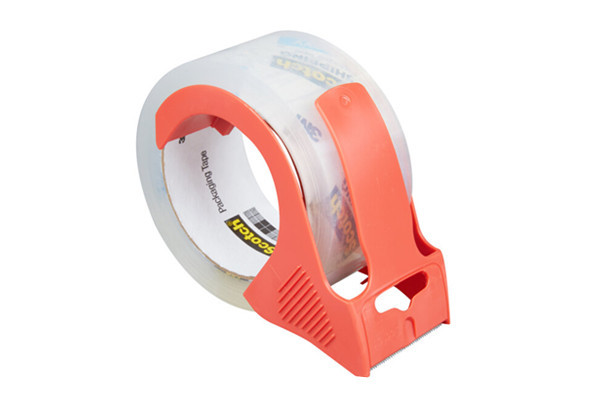
1) How it works: It can be applied using a standard handheld tape dispenser, making it a convenient and accessible alternative for businesses looking to switch away from plastic packaging.
2) Limitations: While easier to use, its shear strength and tamper-evident security are generally inferior to those of water-activated tape.
Key advantages of paper packaging tape
1) Eco-friendly and recyclable: Unlike plastic tapes that can contaminate the cardboard recycling process, paper packaging tape is fully recyclable and does not need to be removed from the carton during recycling.
2) Tamper-evident security: Because water-activated paper tape bonds permanently with the carton's fibers, any attempt to peel it off damages the cardboard surface, making signs of tampering immediately apparent.
3) Temperature resistance: The tape does not peel, crack, or lose adhesion in extreme heat, cold, or humid conditions—issues commonly associated with many plastic tapes.
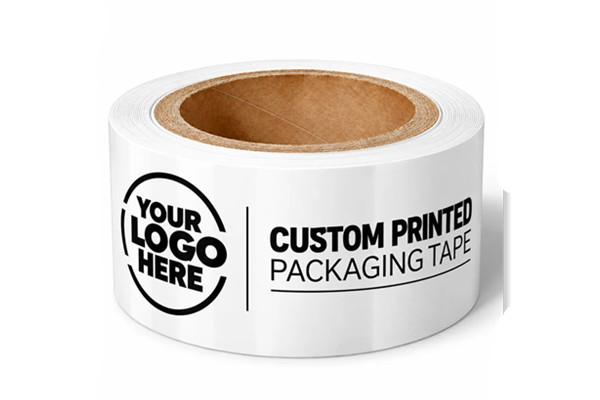
4) Premium appearance and brand image: It offers a clean, professional, and eco-friendly look. Additionally, it is highly printable, allowing businesses to easily add brand logos, brand colors, or handling instructions.
5) Hygienic and odorless: It is a safe and ideal choice for shipping food, pharmaceuticals, and other sensitive goods.
Paper Tape vs. Plastic Tape: A Quick Comparison
Feature | Paper Packing Tape (Water-Activated) | Standard Plastic Packing Tape (BOPP) |
Adhesion | Chemical bond with cardboard fibers | Surface-level pressure-sensitive stick |
Security | Highly tamper-evident (tears cardboard) | Can be sliced and re-sealed discreetly |
Recyclability | Fully recyclable with the box | Often contaminates paper recycling streams |
Application | Requires water activation (manual or electric dispenser) | Standard handheld plastic tape dispenser |
Best For | Eco-conscious brands, heavy boxes, extreme temperatures | Lightweight parcels, quick/low-cost sealing |
Best Use Cases
Paper packaging tape is an excellent choice for sustainability-focused e-commerce businesses, the shipment of high-value or heavy goods (reinforced water-activated tape is recommended), and environments with significant temperature fluctuations. If you need to ship lightweight items and want a plastic-free alternative without investing in a water-activated dispenser, pressure-sensitive paper tape is a great entry-level option.